

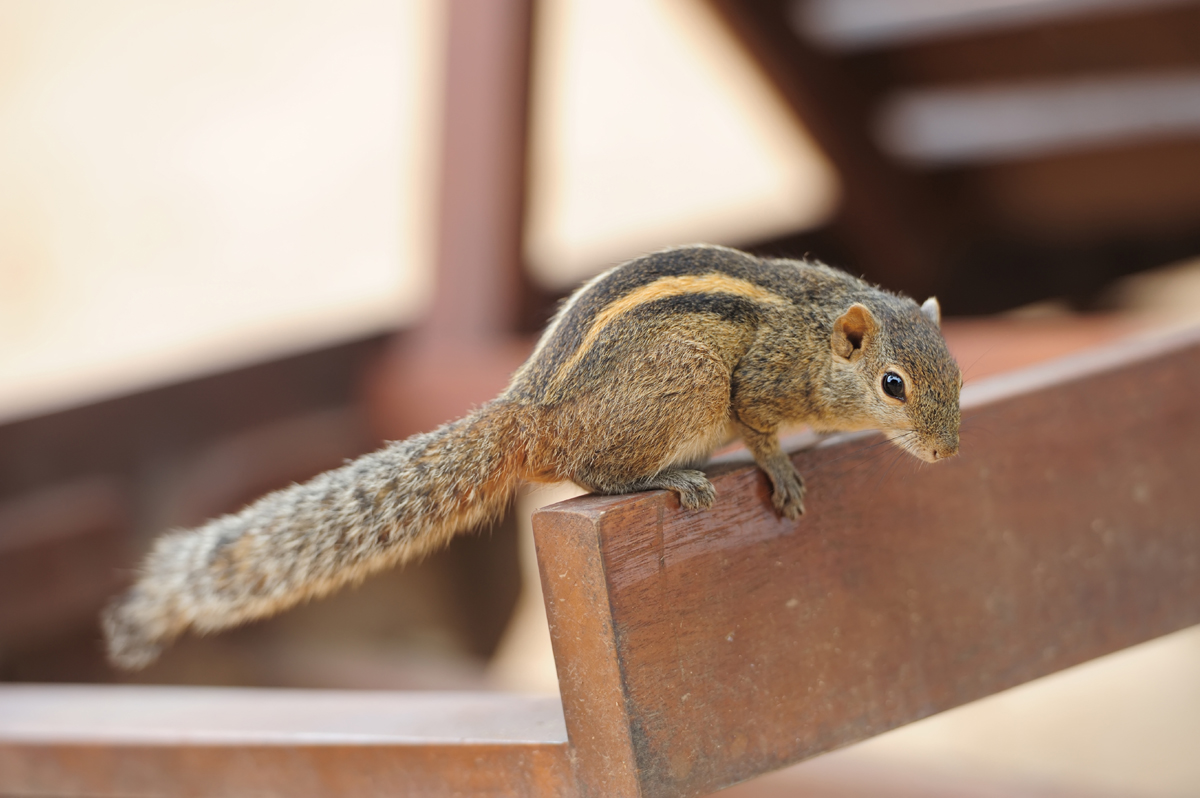
You can see squirrels running along the branches and moving around parks all over the UK. However, not all squirrels are treated the same way. It is important to know the difference between grey and red squirrels because they affect the environment differently.
In the UK, squirrels are categorised as either pests or wildlife based on their species.
Grey squirrels
Grey squirrels, considered pests under the Wildlife and Countryside Act of 1981, are non-native and pose a significant threat to local ecosystems. They often damage natural habitats and farmlands. Their increasing population has sadly contributed to the decline of the beloved red squirrel.
Red squirrels
The native red squirrel is protected under the Wildlife and Countryside Act of 1981. The population has experienced a significant decline in the past few decades, so it is prohibited to kill or harm a red squirrel intentionally.
These playful creatures require specific legal considerations when handling, making it essential to know the correct measures to take as winter approaches and squirrels seek nesting sites.
If you find red and grey squirrels in your area, it’s crucial to use live traps and take necessary precautions to prevent the capture of red squirrels. Understanding the nuances between these two species is important for complying with legal obligations and contributing to preserving the UK’s natural wildlife heritage.
Understanding Squirrel Behaviour in Winter
Why squirrels seek shelter indoors: Squirrels seek shelter primarily due to their survival instinct, which drives them to find places for food storage and warmth during the cold months.
Common entry points in homes: Common entry points for squirrels include chimneys, attics, vents, roof edges, and eaves, which provide accessible routes into warmer areas.
Signs squirrels are nesting in your home: If squirrels nest in your home, you might notice signs such as noises in the attic, droppings around the premises, chew marks on wood or wires, and various nesting materials scattered about.
Steps to Prevent Squirrels from Entering
Inspect and Seal Entry Points
Conducting a thorough home inspection prevents squirrels from making it their winter refuge. Begin by examining all potential openings, including tiny cracks, gaps, and vents, as squirrels are adept at squeezing through small spaces. Once identified, these openings should be sealed using durable materials like steel mesh or caulking, which provide barriers against both entry and gnawing attempts. Additionally, ensure that chimneys and vents are squirrel-proofed with special covers designed to allow airflow while keeping wildlife out. This proactive step helps maintain the warmth and safety of your home without the uninvited presence of squirrels.
Trim Trees and Branches
Trimming trees and branches is vital to limit squirrel access to your home. Branches that hang close to the roof provide a convenient bridge for squirrels seeking entry. To effectively reduce this risk, ensure that all limbs are trimmed to a safe distance from the roofline, ideally maintaining a clearance of several feet. This practice minimises potential entry points and protects your home’s exterior from damage caused by wayward branches during storms or high winds. Regular tree and shrub maintenance in your garden is crucial to squirrel prevention efforts.
Use Squirrel Deterrents
Employing squirrel deterrents can reinforce your efforts to keep these agile creatures at bay. Motion-activated lights or sound devices are effective tools, startling and discouraging squirrels from venturing too close to your home. Additionally, applying natural repellents like vinegar or capsaicin-based sprays around potential entry points will create an unpleasant environment for squirrels. These deterrents take advantage of squirrels’ sensitivity to certain smells and stimuli, effectively persuading them to seek shelter elsewhere while remaining a safe, humane option for homeowners who wish to protect their property.
Squirrel-Proofing Your Attic
Installing barriers: To effectively squirrel-proof your attic, begin by installing barriers such as wire mesh or hardware cloth to cover any gaps or openings that might serve as entry points for these persistent creatures.
Insulation and repairs: It is essential to check for and repair any damage to insulation, walls, or wiring that may have been caused by previous wildlife activity.
Use of squirrel traps: If necessary, squirrel traps may be used; however, they must be used properly and humanely, considering the appropriate measures for relocating captured squirrels.
The Role of Professionals in Wildlife Prevention
When to Call a Professional
When facing a persistent squirrel infestation or extensive home damage caused by these creatures, it may be time to call a professional pest control or wildlife control service. These experts are trained to deal with wildlife effectively and humanely, ensuring your home is safeguarded against further intrusions while minimising harm to the animals involved. A professional exterminator can identify the extent of the problem, determining the best course of action that would be too complex for many homeowners to handle alone.
What to Expect from Wildlife Control Services
A wildlife control service will typically conduct a thorough inspection of your property to ascertain the extent and sources of the infestation. They will then proceed with humane removal strategies and implement effective prevention methods to deter future intrusions. This ensures the resolution of the current issue and long-term protection against wildlife trying to enter your space.
What to Expect from Pest Control Services
Similarly, homeowners can expect a comprehensive assessment of the affected areas when engaging pest control services. Pest control professionals will then use their expertise to remove the unwanted guests and establish preventative measures to avoid recurrence. This often involves sealing entry points and advising on changes to reduce attractants and improve the overall resilience of the home against such invasions.
Costs of Repairs and Prevention
Ultimately, the cost of repairs and prevention strategies when dealing with squirrels hinges on whether you opt for do-it-yourself (DIY) methods or entrust the task to professionals. While DIY approaches can be less costly, they might not be as effective in the long run, potentially leading to recurring issues and additional expenses. On the other hand, although potentially more expensive, professional services bring peace of mind with their comprehensive solutions and expertise, saving money by avoiding future problems.
Maintenance Tips for Long-Term Prevention
Regular home inspections: Regular inspections should be conducted seasonally to check for any new openings or signs of wildlife that may present a threat.
Continued use of repellents: It is also essential to continue using repellents, ensuring that they are refreshed every few weeks to maintain their effectiveness.
Proper waste and food storage: Proper waste and food storage is crucial. This includes keeping food sources such as pet food and bird feeders away from the house to deter potential intruders.
In conclusion, effectively dealing with squirrel invasions requires a balanced approach incorporating reactive and proactive pest management strategies. Engaging professionals can provide long-term solutions, often proving a cost-effective choice despite the initial investment. Homeowners can significantly reduce the risk of future invasions by maintaining regular inspections, employing well-timed preventative measures, and managing attractants. This ensures peace of mind and preserves the home’s integrity against the persistent challenges of wildlife intrusions.