

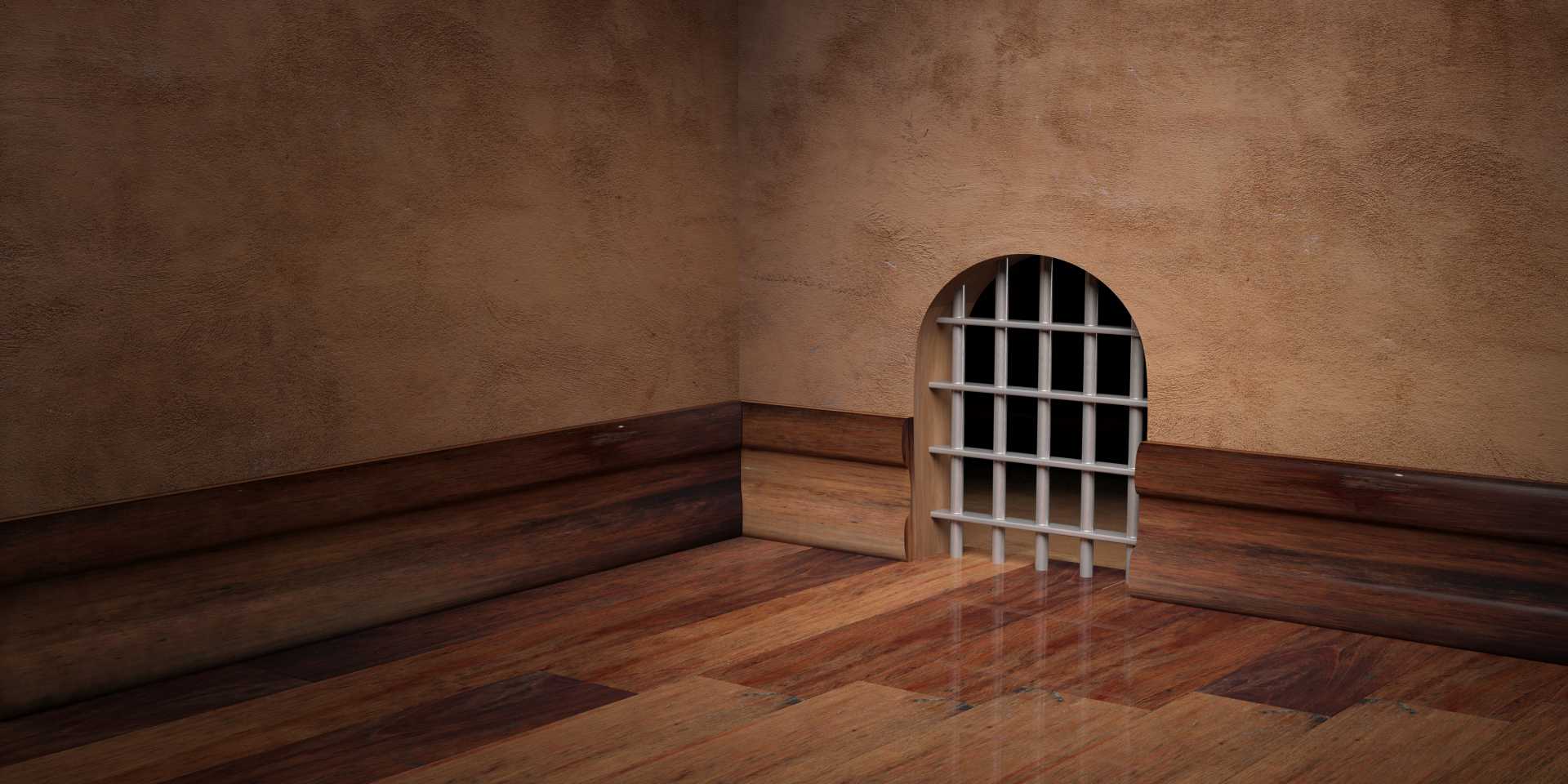
Pests in your attic can be a serious problem for any homeowner. They might seem small, but these unwanted visitors can create big issues. Not only can they damage your belongings and structure, but they can also bring health risks to your family. Keeping your attic clean and pest-free ensures a safe and happy home. In this blog, we will share some easy, practical tips to help you keep these intruders at bay.
Common Pests That Invade Attics
Rodents (Mice, Rats, Squirrels)
Rodents are the most common pests that can sneak into your attic. They love warm and cosy spots, especially when the weather gets chilly. Attics often provide an ideal place for these animals to build their nests using insulation and any items they find lying around.
If you think you might have a rodent problem, look out for some clear signs. You might find tiny droppings scattered around, which can be a tell-tale sign of their presence. You may also notice gnaw marks on wood or wires, and if you pay close attention, you might hear scratching noises, especially at night when they are most active. Keeping an eye out for these clues can help you catch a rodent issue before it gets bigger.
Insects (Termites, Ants, Cockroaches)
Insects are another big concern when it comes to attic infestations. Termites can sneak into your attic through small cracks and crevices, causing serious damage to wooden beams and furniture. If you notice any signs of wood damage, like hollowed-out areas, it’s essential to check for termites as soon as possible. Ants can also find their way inside, usually searching for food or nesting spots. If you see a line of ants marching in, there’s a good chance they’ve set up camp nearby. Cockroaches, on the other hand, love dark and damp places. Finding their droppings or sightings of these pests can mean you have a bigger problem. Keeping your attic clean and well-maintained can help keep these insects away.
Bats and Birds
Bats and birds can also create problems if they decide to live in your attic. Bats often roost in dark spaces and can carry diseases, so it’s important to check your attic for any signs of them. You might find droppings, which can be a health risk if left unattended. Birds can also make a mess with their droppings and nesting materials. If you see feathers or nests, it’s a sign that birds are nearby. Keeping your attic sealed and checking for holes can help prevent these animals from residing.
Why the Attic is a Vulnerable Entry Point
Structural Weaknesses
Your attic may have cracks, gaps, or holes that make it easier for pests to get in. These openings can develop over time due to weather changes or everyday wear. Keeping your attic safe and checking for these problems is essential. You can fix any issues early on to stop pests from moving in.
Insulation and Storage Attractors
Sometimes, the way we store things in our attic can entice pests. If items are not put away properly, they can create hiding spots for insects or rodents. Additionally, some types of insulation are more appealing to pests. Keeping your attic tidy and using the proper storage can help keep these unwelcome guests away.
Lack of Human Activity
Attics are often forgotten spaces in our homes, which means they receive little attention. This lack of human activity makes them a perfect place for pests to thrive. Pests enjoy quiet, undisturbed areas where they can nest and feed. Regularly visiting your attic can catch any pest issues before they become serious.
Preventative Measures to Keep Pests Out
Seal Entry Points
Sealing entry points is one of the first steps in keeping pests out of your attic. Pests can squeeze through surprisingly small spaces, so it’s important to carefully inspect your home for cracks, gaps, and holes. Use durable materials like steel wool to block holes and caulk to seal cracks. Hardware cloth, a metal mesh, is also useful in covering gaps around vents. Closing off these entryways reduces the chances of pests entering your attic.
Proper Insulation
The type of insulation you choose can make a difference in how well you keep pests out. Some insulation materials are more attractive to pests than others. For instance, while effective for warmth, cellulose insulation can attract rodents and insects. It’s wise to opt for pest-resistant insulation options like foam board or fibreglass. Additionally, ensure your insulation is well-installed and maintained to prevent any gaps pests could exploit.
Ventilation and Moisture Control
Proper ventilation is key to preventing pests in your attic. Good airflow helps to keep the area dry, as many pests are drawn to moisture. To ensure proper ventilation, check that air vents are not blocked and there’s a clear path for air to circulate. To control moisture, consider using a dehumidifier, especially in humid weather. Keeping moisture levels low can make your attic less inviting to pests and protect your home from water damage.
Regular Attic Inspections
Regular attic Inspections are essential for catching pest problems early. Check your attic at least twice a year, perhaps during seasonal changes. Look for signs of pests like droppings, nests, or chewed materials. If you’re unsure how to inspect thoroughly, hiring a professional for a detailed assessment can provide peace of mind. Regular inspections allow you to address issues before they escalate into a bigger problem.
What to Do If You Discover Pests in Your Attic
Immediate Actions
When you discover pests in your attic, act quickly. First, isolate the area to prevent pests from spreading to other parts of your home. Close any doors to the attic and seal off vents or gaps if possible. Wear protective gear like gloves and a mask, especially when dealing with droppings or nesting materials. These can carry diseases or harmful allergens. Keep family members and pets away from the area until you know what type of pests you’re dealing with and how to address the problem safely.
When to Call a Professional
Some situations require an expert’s help. If the infestation is large or the pests are challenging to manage, like raccoons or bats, it’s best to call a pest control professional. They have the right tools and knowledge to safely remove and prevent pests from returning. Additionally, if you’re unsure about identifying the type of pest or the extent of the problem, a professional assessment can provide clarity and peace of mind. They can also offer advice on securing your attic and preventing future infestations.
Post-Removal Clean-Up
Cleaning up is crucial after removing pests. First, assess the damage they may have caused, such as chewed wiring or insulation. Repair any damage promptly to maintain the integrity of your home. You should also thoroughly clean the area to remove droppings, urine, and nesting materials, which can pose health risks. Use disinfectants and consider using a vacuum equipped with a HEPA filter to remove allergens better. Ensure the attic is well-ventilated during this clean-up. Once cleaned, restore the attic’s condition by replacing any insulation or sealing up openings that could invite new pests.
In summary, safeguarding your attic from pests is vital for maintaining a healthy and safe environment within your home. Regular inspections and proactive measures can significantly reduce the risk of pest infestations. It is equally important to clean and repair any damage post-removal to prevent further issues. For optimal results, don’t hesitate to contact a professional pest control service to conduct thorough inspections and implement effective prevention strategies, ensuring your attic remains secure and pest-free.